

Two Tracks • 40 Planned Sessions • Concurrent Classrooms


Human Resources
California employment-law developments, compliance priorities, HR practices, and workplace leadership. Sessions run in parallel with the Business & Consulting Track, and attendees are free to move between rooms.
Business & Consulting
Start up to business strategy, organizational risk, and practical guidance for business owners and advisers. Sessions run in parallel with the HR Track, and attendees are free to move between rooms.

Premier Sponsor
Sponsors


Speakers
Topics and schedule are being finalized.










Every Organization & Leadership Role
In California’s shifting business and employment landscape, yesterday’s approach can become tomorrow’s liability. Decisions made in one department can affect people, compliance, and performance across the entire organization - no matter its size.
Gain strategic insights to recognize risks earlier, ask better questions, and make more informed decisions. Through practical learning and meaningful connections, this program helps professionals break down silos, align priorities, and strengthen the organizations they serve.
Agenda
Provisional program — session times and room assignments are subject to confirmation.
8–9am — Registration
Breakfast and networking
9am–12pm — Programming
Six concurrent classrooms
12–1pm — Lunch
1–5pm — Programming
Six concurrent classrooms
5–6pm — Closing networking
Human Resources Track
We will explore the fundamentals of conducting lawful and effective workplace investigations in the modern workplace. The session will provide practical guidance on both elementary and advanced topics, aligning internal procedures with best practices, and cover how to create an investigative plan, evidence gathering techniques, interviewing witness, drafting reports, privileged investigations, AI concerns, sensitive issues that may arise, and avoiding common mistakes.
By the end of the session, participants will be able to:
-
Understand the fundamentals of conducting lawful and effective workplace investigations.
-
Develop the confidence to create their own investigative plan and independently manage workplace investigations.
-
Identify best practices that shape defensible investigations, including witness interview and evidence- gathering techniques.
-
Learn to effectively communicate findings to stakeholders.
-
Recognize potential pitfalls in conducting investigations and how to address them head-on.
-
Apply best practices to ensure investigations are legally compliant and defensible.
-
Develop strategies for managing high visibility investigations.
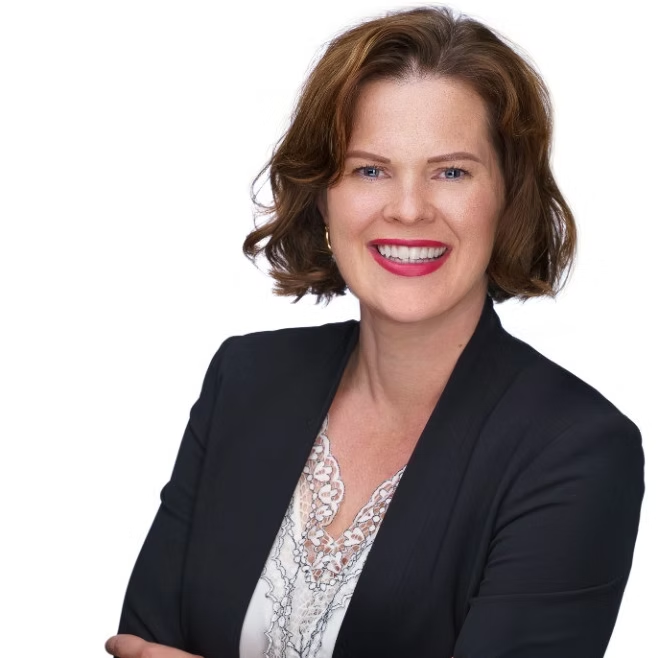
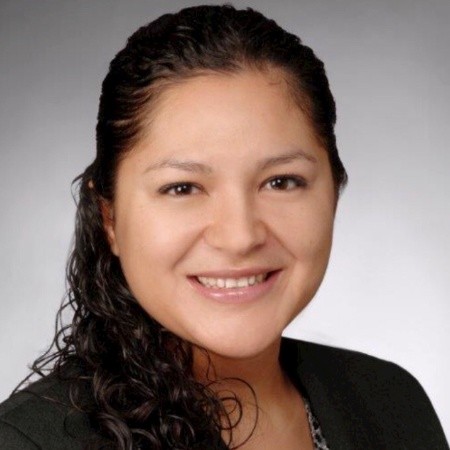
Christina Cordoza, Esq.
Shareholder, Littler
This presentation will examine California workers’ compensation from the perspective of an Applicant’s Attorney, highlighting the challenges injured workers face and the issues that commonly lead to disputes. Topics will include medical treatment, temporary and permanent disability, return-to-work issues, claim delays and denials, and the impact of employer and claims administrator decisions on claim outcomes. Attendees will gain insight into the applicant’s perspective and practical ways to better understand, address, and potentially prevent disputes throughout the claims process.
By the end of this program, participants will be able to:
-
Identify common issues that lead to disputes between injured workers, employers, and claims administrators.
-
Understand the applicant’s perspective on medical treatment, disability benefits, and return-to-work decisions.
-
Recognize how claim handling decisions and communication can affect the progression and resolution of workers’ compensation claims.
-
Identify practical approaches to addressing disputes and facilitating more efficient claim resolution.
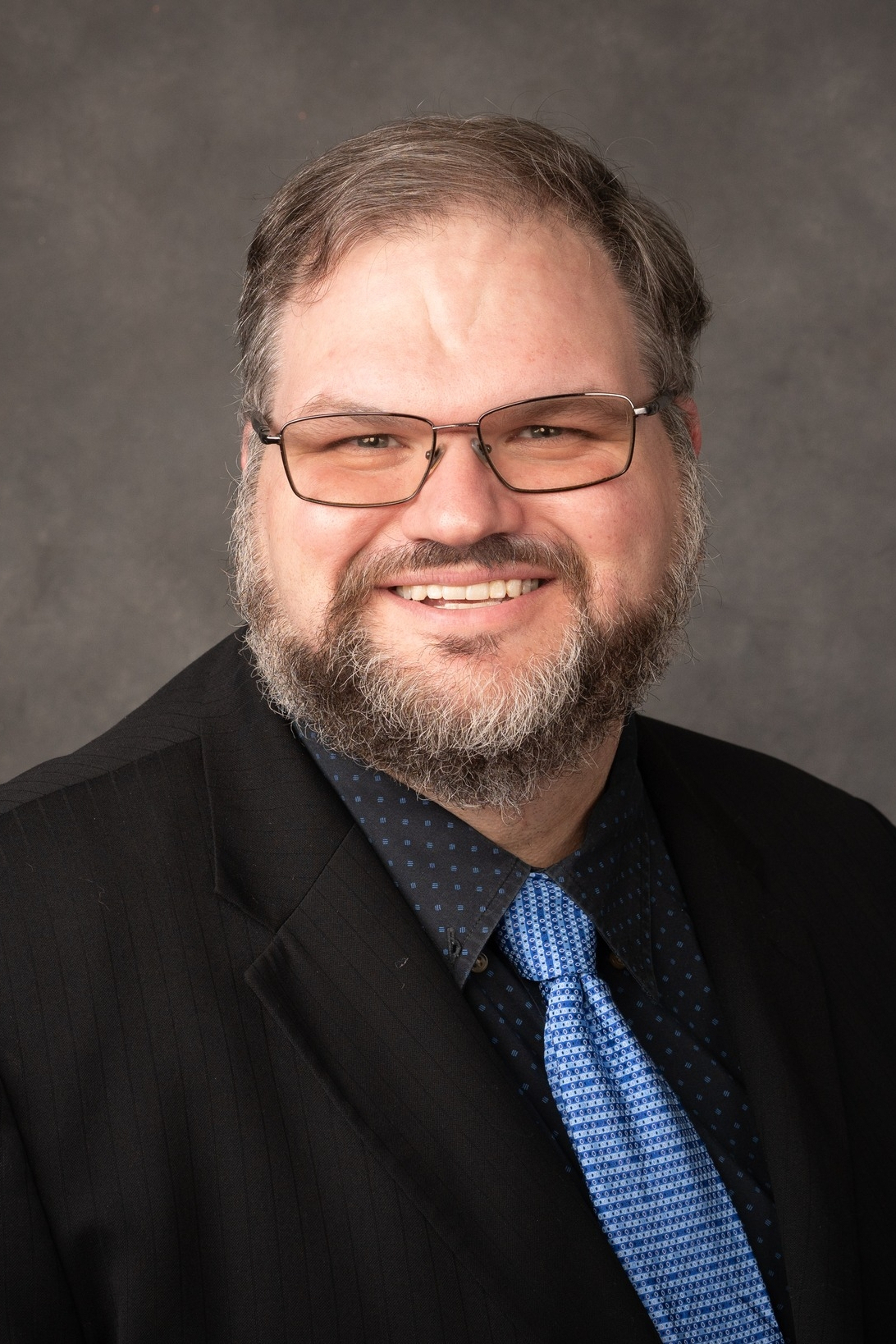
Diana Tarnopolskaya
Founder / Attorney
ELITE COMP LAW PC
We will explore the requirements of California’s SB 947, the “No Robo Bosses Act,” and the evolving legal landscape surrounding the use of AI and automated decision systems in employee performance management. The session will provide practical guidance on understanding the law’s requirements, evaluating AI-assisted disciplinary and termination decisions, and ensuring meaningful human oversight when automated systems inform consequential employment actions.
The session will also examine the fundamentals of effective employee performance management, including setting measurable expectations, conducting performance reviews, documenting deficiencies, implementing performance improvement plans, and making consistent disciplinary decisions. Participants will learn how to balance technology-driven insights with independent managerial judgment, identify potential bias and inaccuracies in automated outputs, and develop practices that support fair, transparent, and legally defensible employment decisions.
By the end of the session, participants will be able to:
-
Understand SB 947’s requirements and effective date, and identify the automated decision systems that may fall within its scope.
-
Distinguish between permissible AI-assisted decision-making and prohibited reliance on automated outputs for disciplinary or termination decisions.
-
Evaluate automated recommendations using relevant employee records, performance data, work product, supervisor assessments, and other appropriate evidence.
-
Develop consistent processes for performance evaluations, coaching, corrective action, performance improvement plans, and termination.
-
Identify and mitigate legal risks associated with algorithmic bias, inaccurate data, employee surveillance, inconsistent treatment, and inadequate documentation.
-
Implement practical safeguards for human oversight, decision-making accountability, and compliance with applicable California employment laws.
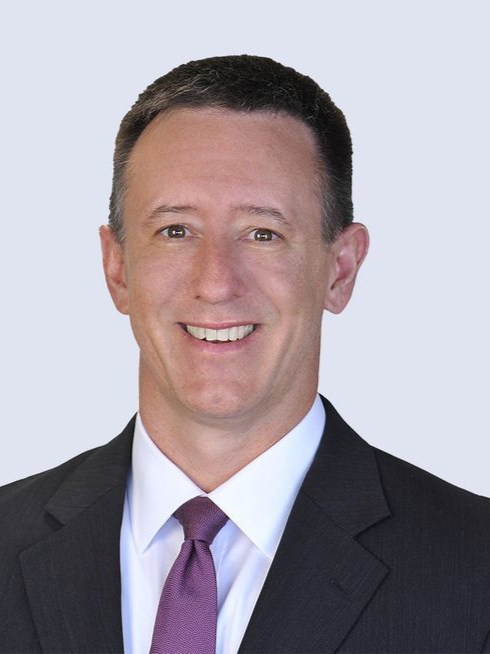
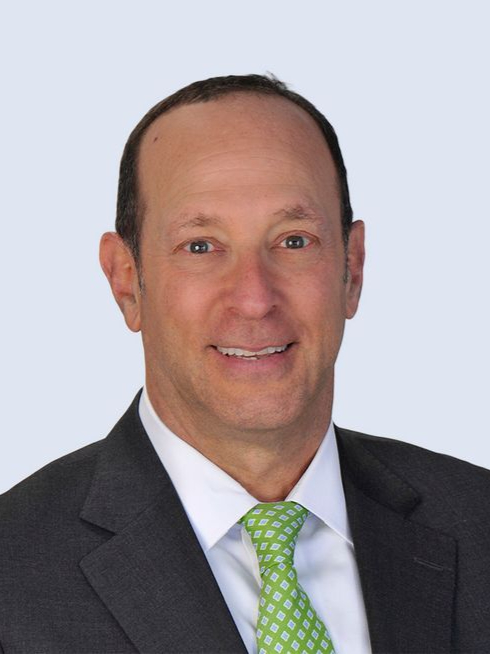
Brandon Kahoush, Esq.
Labor & Employment Partner, Fisher & Phillips LLP
We will explore the complexities of managing employee leaves of absence in California, with a focus on the interplay between CFRA, FMLA, PDL, FEHA, and the ADA. This session will provide practical guidance on navigating overlapping federal and state leave requirements, determining employee eligibility, administering protected leave, and addressing an employer’s continuing obligation to reasonably accommodate employees with disabilities.
The session will examine how to manage leave requests from initial notice through return to work, including medical documentation, the interactive process, requests for additional leave after protected leave has been exhausted, and the evaluation of undue hardship. Participants will also learn how to address common compliance challenges, avoid premature termination decisions, and implement consistent, legally defensible leave management practices.
By the end of the session, participants will be able to:
-
Distinguish between CFRA, FMLA, FEHA, PDL, and ADA requirements and understand how these laws interact.
-
Evaluate leave requests and determine when separate or concurrent leave entitlements may apply.
-
Recognize when an employee’s exhaustion of CFRA or FMLA leave triggers the need for further consideration under FEHA and the ADA.
-
Conduct an effective, individualized interactive process and evaluate reasonable accommodation options.
-
Assess requests for extended leave, modified schedules, and return-to-work accommodations while balancing employee rights and legitimate operational needs.
-
Identify and mitigate legal risks associated with leave administration, undue hardship determinations, retaliation, discrimination, and failure to accommodate.
Brandon Kahoush, Esq.
Labor & Employment Partner, Fisher & Phillips LLP
Sonja Arndt-Johnson
Partner, Buchalter LLP
Session description
An update on recent California Attorney General enforcement actions, litigation, guidance, and regulatory priorities, with practical takeaways for leadership heading into 2027.
Bio
Sonja Arndt-Johnson is a Partner at Buchalter LLP in its White Collar & Investigations and Privacy & Data Security practice groups. A former federal and local prosecutor with experience at the U.S. Department of Justice and Santa Clara County District Attorney’s Office, she represents companies and executives in government investigations, regulatory enforcement, and cybersecurity and privacy matters.
When an organization adopts AI, who asks what it means for the people affected, and who has the authority to act on the answer?
This interactive session explores the Chief Human Officer as a proposed evolution of the Chief Diversity Officer role, bringing expertise in inclusion, organizational systems, and human experience into enterprise decisions about technology, work, and business strategy.
Together, we will examine how this role could partner with the CHRO, legal counsel, and technology leaders, where responsibilities might overlap, and whether a dedicated executive role would improve accountability. Using workplace scenarios and guided discussion, attendees will explore how to bring questions about trust, fairness, human judgment, and opportunity into decisions before implementation.
By the end of the session, attendees will be able to:
-
Identify gaps in accountability for the human consequences of AI and organizational change.
-
Distinguish the proposed CHO mandate from, and its potential partnerships with, HR, legal, and technology leadership.
-
Apply a set of human-centered questions to a workplace technology or business decision.
-
Evaluate whether their organization needs a dedicated executive role, an expanded existing mandate, or a shared governance approach.
Rachel Ann Williams is an executive advisor, career strategist, and lecturer at UC Berkeley whose nearly 30-year career spans recruiting, organizational strategy, and diversity and inclusion leadership. She has held leadership roles at Google X, Yelp, StubHub/eBay, and The Motley Fool, where she served as Chief Diversity & Inclusion Officer. Drawing on her experience building functions and guiding organizations through change, Rachel is developing the Chief Human Officer concept, exploring how executive leadership can strengthen accountability for the human consequences of business and technology decisions.
Rachel Ann Williams
Chief Humanity Officer
Instructor, UC Berkeley
Business & Consulting Track
Mike Kasin, Esq.
Business Law/Intellectual Property Attorney
Guided Growth Legal
Most business owners and HR leaders will sit across from a mediator at some point, usually in the middle of a wrongful termination claim, a wage-and-hour demand, or a falling-out between partners. Few have ever seen what actually happens in that room.
Drawing on 20+ years as a mediator and arbitrator, and as an Instructor and International Mediation Institute (IMI) Coach and Assessor at UC Law San Francisco, Ken Strongman pulls back the curtain on the process. Attendees will learn how to choose a mediator, prepare a brief that moves the needle, put the right people and authority in the room, use the caucus process, and turn a settlement into lasting improvements. The session complements legal counsel and is built for owners, consultants, and the HR professionals who stand between them and the dispute.
Learning Objectives:
By the end of this session, attendees will be able to:
-
Select and brief a mediator strategically, matching mediator style, subject-matter experience, and credentials to the dispute.
-
Prepare the organization's position, including who must attend, what settlement authority and insurer consent look like, and how to avoid the most common mistakes that stall a mediation.
-
Understand what happens in caucus, how mediators build movement and test reality, so the party can use the process rather than just endure it.
-
Structure a durable settlement, including non-monetary terms, confidentiality limits, and follow-through.
-
Turn a resolved dispute into organizational learning, so policy, training, and management fixes come out of the case instead of the file simply being closed.
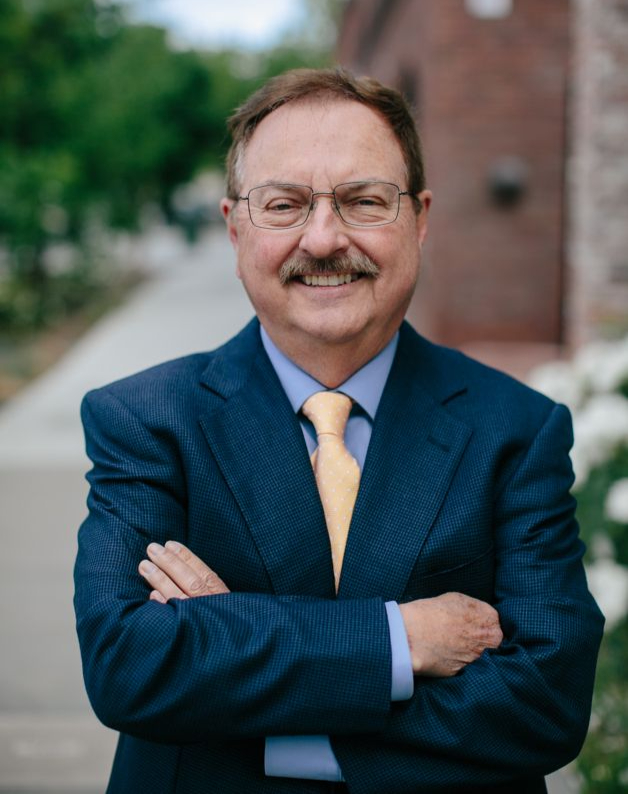
Ken Strongman
Attorney/Mediator
The Mediation Office of Ken Strongman
The compliance landscape for employer-sponsored health plans grows more complex every cycle. In this session, we’ll cut through the noise and map out the legal and compliance priorities employers should lock down in 2027. We’ll cover ERISA fiduciary duties, evolving federal health plan requirements, and the multi-jurisdictional obligations that trip up employers with distributed workforces. You’ll leave with practical frameworks for vendor and TPA oversight, plan documentation hygiene, and a clear view of the compliance gaps that create the most risk exposure.
By the end of this session, participants will be able to:
-
Ask sharper questions of brokers, TPAs, and vendors.
-
Pinpoint ERISA fiduciary duties and identify where broker and vendor relationships come into play.
-
Catch overlooked federal mandates, including CAA transparency rules and mental health parity requirements.
-
Assess risk exposure and how to put clear ownership in place.
-
Navigate California and Bay Area local mandates, including how plan funding structure dictates which rules apply.
-
Audit plan documents and notices to close gaps.
Joanna Castillo is Vice President of Compliance at Sequoia, where she leads the company’s national compliance services and a team of in-house ERISA attorneys. A former federal DOJ/EOIR law clerk, litigator, and law firm founder, she brings a courtroom-to-boardroom view of federal healthcare law, multi-jurisdictional regulations, and organizational risk. At Sequoia, Joanna builds scalable, technology-powered compliance solutions and partners with HR and legal leaders to turn complex mandates into clear strategy.
J.D., William Mitchell College of Law; admitted to practice in Colorado.
Joanna Castillo, Esq
Vice President, Compliance
Sequoia
Concurrent Afternoon Sessions
5–6pm — Closing networking
Connect with speakers, colleagues, and community partners. Appetizers are included for meal-package purchasers; cash-bar drinks are purchased separately.
Got Questions? Get Your Questions Answered.
Receive a complimentary 20–30-minute consultation.
Educational guidance only; event registration does not establish an attorney-client relationship. Any individual legal advice or representation must be arranged directly with an attorney through a separate engagement.
Room 375 — Offices A and B
Mike Kasin, Esq.
Business Law/Intellectual Property Attorney
Guided Growth Legal
Consultations are subject to availability and scheduling. Additional attorneys and office schedules will be listed as confirmed.
6pm – Event concludes
Get Your Questions Answered
Private Advisory Sessions.
Some questions do not belong in a crowded room.
Step away from the main sessions and into one of two private offices for an individual conversation with an employment attorney or subject matter expert. Bring the issue that has been sitting on your desk, the policy you keep second guessing, or the decision you need to make before Monday.
Bring questions like:
• A leave request that overlaps CFRA, pregnancy disability leave, and workers’ compensation
• A pay practice or worker classification you want to confirm
• A handbook policy that needs a fresh look under current California law
• A termination, investigation, or accommodation you want to handle the right way
• A contract, vendor agreement, or growth decision with workplace implications
Leave with practical guidance, clear next steps, and the confidence to act.
Only two private offices are available, so reserve your time early. Sessions are subject to availability and scheduling.
These conversations provide general information and are not legal advice. Participation does not create an attorney client relationship. Any individual legal advice or representation must be arranged directly with an attorney through a separate engagement.

Venue
National University
100 Ellinwood Way
Pleasant Hill, CA 94523
January 27, 2027
8am–6pm
Complimentary Parking
Getting Here
National University, Pleasant Hill Campus
100 Ellinwood Way, Pleasant Hill, CA 94523
Centrally located in the East Bay, just off Interstate 680 between Walnut Creek and Concord.
Complimentary parking is available on site.
From San Jose (about 60 to 75 minutes)
Take I-680 North through Fremont, Pleasanton, San Ramon, and Walnut Creek into Pleasant Hill. No bridge tolls.
From San Francisco (about 45 to 65 minutes)
Cross the Bay Bridge on I-80 East, then take CA-24 East through the Caldecott Tunnel to I-680 North into Pleasant Hill. The Bay Bridge toll is collected on the westbound return trip.
From Napa (about 40 to 50 minutes)
Take CA-12 East to I-80 East, then I-680 South across the Benicia Martinez Bridge into Pleasant Hill. A toll applies southbound on the bridge.
From Sacramento (about 75 to 90 minutes)
Take I-80 West to I-680 South at Cordelia, then cross the Benicia Martinez Bridge into Pleasant Hill. A toll applies southbound on the bridge.
By Public Transit
• BART: Ride to Pleasant Hill/Contra Costa Centre station on the Yellow Line. From San Francisco, board a train toward Antioch. From San Jose, take BART north from Berryessa and transfer to the Yellow Line in Oakland.
• Bus: County Connection Route 9 connects Pleasant Hill BART to stops along Ellinwood Way. Route 9 runs on weekdays only.
• Rideshare: The campus is a short rideshare trip from Pleasant Hill BART.
• From Sacramento: Take the Capitol Corridor train to Martinez station, then a short rideshare to campus.
Travel times are estimates and vary with traffic.
Please check live traffic and transit schedules before you travel.
Exceptional Value in a
Demanding Economy
In an environment where every budget line is scrutinized, professional development must deliver measurable return. We built this organization on a simple principle: access to trusted counsel, meaningful relationships, and practical resources should never be priced out of reach.
We are not here to nickel and dime you. Doing so would undermine the very purpose of what we are building, which is a professional community grounded in trust, collaboration, and shared expertise.
Transparent Pricing. No Surprises.
Our pricing is straightforward and complete. There are no hidden fees, no costly add ons, and no surprises at checkout. Your investment goes directly toward what matters most: insight you can apply, relationships you can rely on, and resources that strengthen your organization.
More Than an Event. A Professional Network.
The true value of membership extends well beyond any single session. You gain:
• A network of HR leaders, business owners, and legal professionals navigating the same challenges you face
• Direct access to attorneys and subject matter experts who understand the realities of California business
• Practical tools and guidance designed to help you lead with clarity and act with confidence
Simple to Approve. Simple to Reimburse.
We make the investment easy to justify and easy to process.
• Clear, itemized receipts ready for reimbursement
• A detailed agenda that demonstrates the professional value of each session
• A ready to use approval request letter for your leadership or finance team
• Prompt responses to any questions from your accounts payable team
Law is complex enough. Membership and learning should not be.
General Admission — $100 for the full day.
Students, professionals in transition, and unemployed attendees — $15 admission through the discounted ticket option.
Retired professionals — contact info@hrexcc.com for available access options.
HR Executive Compliance Council members and eligible partners — General Admission waived with the applicable assigned code; optional meals are purchased separately.
Pleasant Hill Chamber of Commerce members — General Admission and the optional meal package are covered through the Chamber’s partnership with the applicable Chamber code.
Optional meal package — $25 purchased in advance; includes breakfast, boxed sandwich lunch and appetizers. Cash-bar drinks are purchased separately.
HRCI, SHRM and MCLE credit information will be listed for eligible sessions as details are finalized.
Complimentary parking. Ample and easy access.
Ticket service fees may apply. All attendees must register using their applicable ticket option and code.
Sponsors
Special Thank You


Special thanks to HRCP and VisaWolf for supporting professional development.
DISCLAIMER:
HR Executive Compliance Council programs and resources are provided for educational and networking purposes only and do not constitute legal, tax, or financial advice. Additionally, board members and speakers participate in their individual capacity and company names are provided for identification purposes only and do not imply endorsement, sponsorship, or representation by those organizations. Simply contacting or communicating with a board member or speaker does not create an attorney-client relationship or any other professional or advisory relationship.
This website and all webinars and resources are for general educational purposes only and are not a substitute for legal advice from qualified counsel.
HR Executive Compliance Council is a not-for-profit mutual benefit corporation.